
Root canals
A root canal removes infected pulp from the center of a tooth, then thoroughly cleans and seals the root canal system. It’s one of the most common dental procedures, and this simple treatment can save your natural tooth.
- visits, depending on the treatment required
- 1 or more
- of cases are successful
- About 90%
- root canals performed every year
- 14 million+
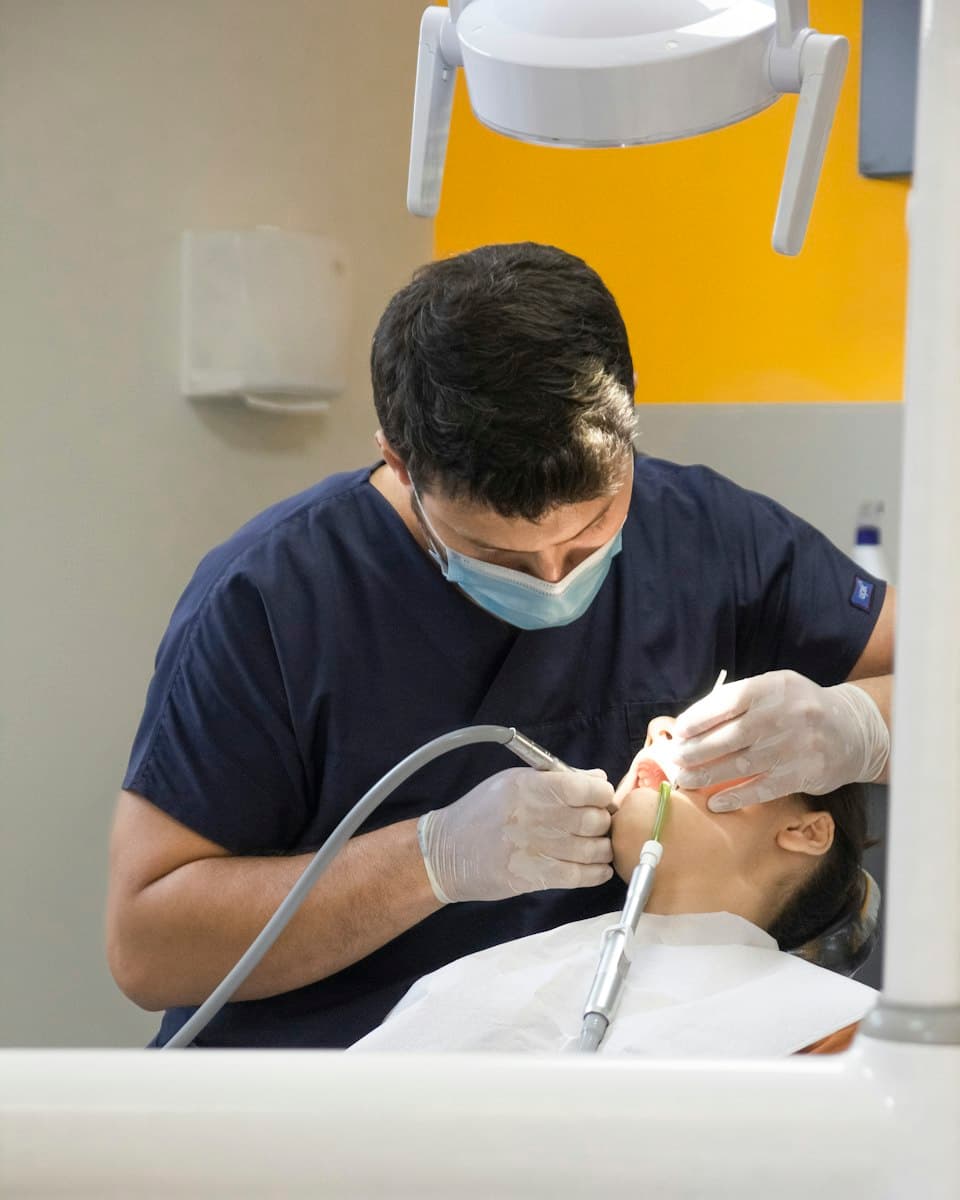
Pain in a tooth?
Start here.
What is a
root canal?
At the center of your tooth is the pulp, which holds the tooth’s nerves and blood vessels and helps build the surrounding tooth. Trauma to the tooth, deep decay, cracks and chips, or repeated dental procedures can all cause the pulp to become infected.
In a non-surgical root canal, the injured pulp is removed and the root canal system is thoroughly cleaned and sealed. Saving your natural tooth this way can prevent the need for a dental implant or a bridge.
Afterward, you should have a follow-up restoration within a few weeks to protect the tooth. In teeth with root canal fillings, a crown can prevent breakage. Keep practicing good dental hygiene to prevent further decay.
We use local anesthesia to eliminate discomfort, and we will provide nitrous oxide, or laughing gas, if indicated.
How many visits does a root canal take?
It may be completed in one or more visits, depending on the treatment your tooth requires.
Can I drive home afterward?
Yes. You’ll be able to drive home after your treatment, and you’ll probably be comfortable returning to your normal routine.
How often does a root canal work?
Success for this treatment occurs in about 90% of cases.
- Can save your natural tooth
- One of the most common procedures
- Local anesthesia for comfort
- Nitrous oxide if indicated
- Drive yourself home after
- Generally costs less than replacement
Is a root canal right for you?
This simple treatment can save your natural tooth, and prevent the need for an implant or a bridge.
If you have any of these symptoms, your dentist will most likely recommend non-surgical treatment to eliminate the diseased pulp.
Pain in the tooth and gums
Pain in the tooth and gums can be a symptom of an infected pulp.
Sensitivity to temperature
A tooth that’s sensitive to temperature can be another sign of infection in the pulp.
Swelling or visible injury
Visible injury or swelling of the tooth can also be a symptom of an infected pulp.
Questions about root canals
The questions that come up once a root canal is on the table.
Still have a question? Call 425-827-3097.
Page updated October 2026.
What if a root canal won’t work for my tooth?
If your tooth isn’t suited to root canal treatment, or the chance of success is unfavorable, you’ll be told at your consultation, or when a complication becomes evident during or after treatment.
Are complications common?
Complications after routine root canal treatment are rare. If a problem does occur, call us: if you have pain or an emergency, every attempt will be made to see you that day.
How much does a root canal cost?
It can vary depending on factors such as how badly the tooth is damaged and which tooth it is. In general, root canal treatment is much less expensive than removing the tooth and replacing it with an artificial one. We work with you to get the most from your insurance for covered procedures. We accept Visa, MasterCard, American Express, Discover, and CareCredit, and a monthly payment plan can be arranged as long as it’s set up before the procedure.
What is an endodontist?
A dental specialist who examines, diagnoses, and treats diseases and injuries of the dental pulp and the tissues at the tip of the root. Endodontists use x-rays and pulp tests to judge the health of the pulp, then prescribe treatment to prevent the loss of the tooth. A root canal is endodontic treatment: endodontics is the branch of dentistry that diagnoses, prevents, and treats problems of the pulp.
Where to next?
View all treatments- CrownsIn teeth with root canal fillings, a crown can prevent breakage.Read more
- Tooth extractionsFor teeth that are severely decayed or broken beyond repair. In most cases, Dr. Bhat will discuss alternatives to extraction.Read more
- Dental implantsTitanium posts in the jawbone that anchor replacement teeth that look, feel, and function like natural teeth.Read more