
Oral sedation
If dental visits bring on high levels of anxiety, you may be a candidate for sedation dentistry. Dr. Bhat is certified to administer oral conscious sedation, often called sleep dentistry, so treatment can be completed while you are relaxed.
- can cover multiple treatments, even a full mouth restoration
- One visit
- discomfort after treatment
- Less
- must take you home afterwards, even by bus or on foot
- An escort
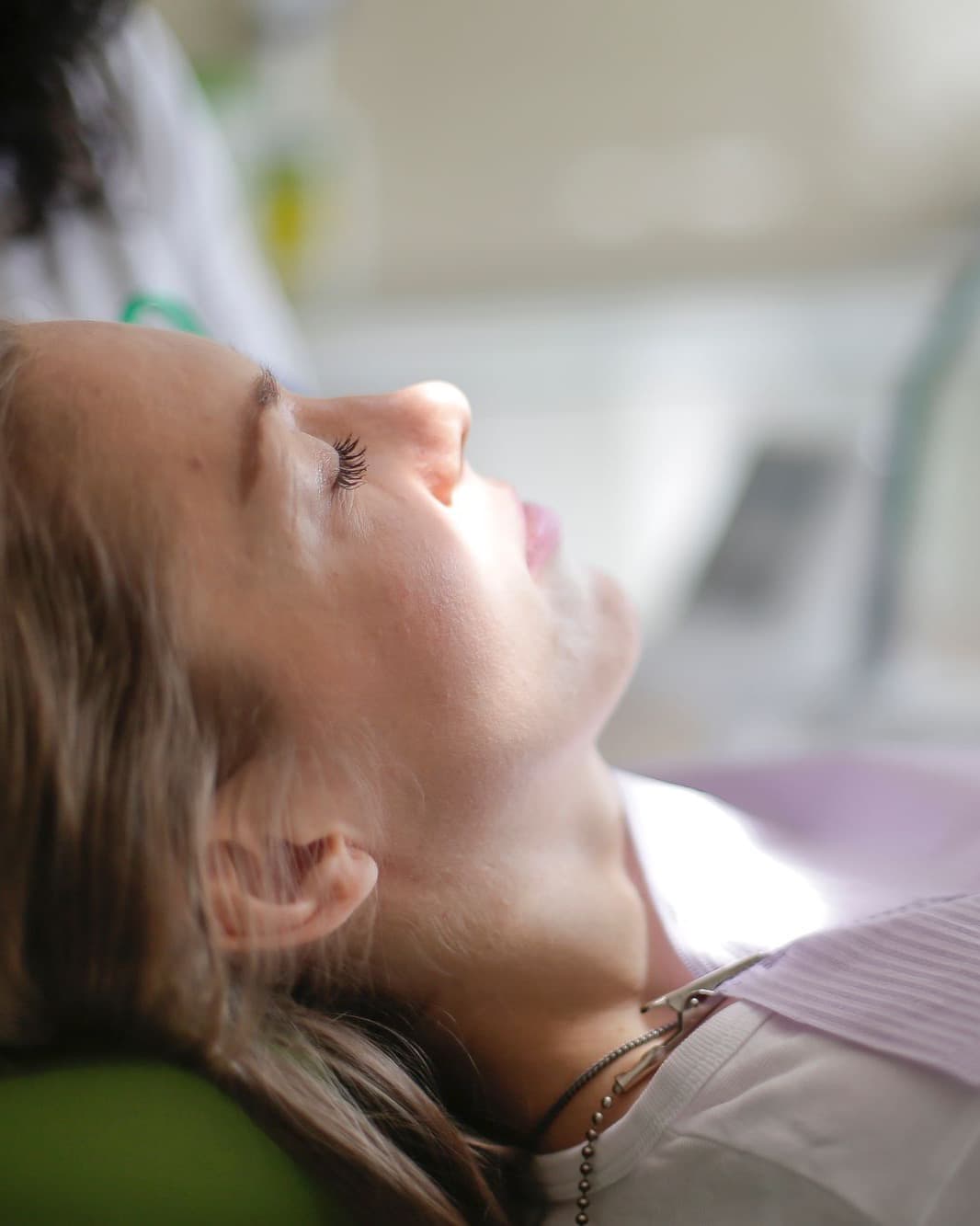
Is sedation dentistry for you?
If you experience high levels of anxiety when visiting the dentist, you may be a candidate. Dr. Bhat is certified to administer oral conscious sedation, commonly referred to as sleep dentistry: a pill that eases the fear so treatment can go ahead.
It isn’t the only comfort option. Talk it through with us at your consultation and we’ll help you decide what suits you.
Nervous rather than anxious? Nitrous oxide works in minutes, wears off with no hangover, and you can ask for a five-minute trial first.
About nitrous oxideWhat it means for you
- 01
Treatment happens while you’re relaxed
The work is completed when you are in a more relaxed mood.
- 02
Long procedures are easier to sit through
You will have less difficulty with a lengthy appointment.
- 03
More can be done in one visit
Multiple treatments, and full mouth restorations, can take place during the same visit.
- 04
Less discomfort afterwards
There is less discomfort after treatment.
How the medication works
The drugs most commonly prescribed in dentistry to treat anxiety belong to the benzodiazepine family: Valium, Halcion, Xanax, or Ativan. They decrease anxiety by binding to the brain’s fear receptors and toning down their activity.
Benzodiazepines act as both sedatives and anti-anxiety drugs. Some are highly targeted at the areas of the brain that govern sleep; others act more specifically on its fear centers. In most cases, higher doses act as sedatives and induce sleep, while lower doses reduce anxiety without sedation.
- Sedative-hypnotics
- These induce calm, including drowsiness and even sleep. That sleep state is a form of hypnosis, which is a form of physiological sleep.
- Anti-anxiety drugs
- These relieve anxiety and induce a state of calm and relaxation.
Please read before you take it
Take only the dose you were given
Use the dose your dentist or doctor recommends. It is possible to overdose, and an overdose could lower your breathing to dangerously low levels, which could result in coma or death.
No alcohol
Benzodiazepines are central nervous system (CNS) depressants: blood pressure and breathing can decline. They should not be mixed with other CNS depressants, such as alcohol.
Tell us about your other medications
There could be drug interactions, so let us know everything you are taking.
Some of these drugs can affect your liver and heart. Check with your practitioner and/or pharmacist. This page is general information, not medical advice.
Before your appointment
Plan your ride home
Don’t travel on your own after you’ve taken the medication.
Make sure you have an escort to see you home, even if you came by bus or on foot. It is easy to become disorientated.
Questions about the day? Call 425-827-3097.
Tell us if any of these apply
Some of these drugs can affect your liver and heart, so be sure to inform your doctor or dentist about the following, and about any other condition you think we should know of.
- A known allergy to the drug
- Narrow-angle glaucoma
- Pregnancy
- Severe respiratory disease (COPD)
- Congestive heart failure (CHF)
- Impaired kidney or liver function
- Depression, bipolar disorder, or psychoses
- Chronic bronchitis
- Any other medications you are taking
Questions about sedation
Sleep, driving, alcohol, and the other things people ask before taking the medication.
Still have a question? Call 425-827-3097.
Page updated October 2026.
Will I be asleep?
Oral conscious sedation is commonly referred to as sleep dentistry. The medication may make you drowsy or even sleep: in most cases, higher doses act as sedatives and induce sleep, while lower doses reduce anxiety without sedation.
Can I drive myself home?
No. You shouldn’t travel on your own after you’ve taken any of these drugs, even by bus or on foot, because it’s easy to become disorientated. Make sure you have an escort.
Can I have a drink to settle my nerves?
No. Benzodiazepines are central nervous system depressants, and they shouldn’t be mixed with other CNS depressants such as alcohol. Take only the dose your dentist or doctor recommends.
What should I tell you before taking it?
Let your doctor or dentist know if any of these apply: a known allergy to the drug, narrow-angle glaucoma, pregnancy, severe respiratory disease (COPD), congestive heart failure (CHF), impaired kidney or liver function, depression, bipolar disorder, or psychoses, chronic bronchitis, and some other conditions. Also tell us about any other medications you take, as there could be drug interactions.
Is there a lighter option than a pill?
Yes. Nitrous oxide is a gas you breathe during the appointment: the depth of sedation can be adjusted at any time, there is no after effect such as a hangover, and you can ask for a five-minute trial to see how you feel with it.