
Dental sealants
A dental sealant is a tooth-colored acrylic coating painted onto the biting surfaces of your chewing teeth. It seals the deep grooves and acts as a barrier, protecting the enamel from plaque and acids.
- acrylic coating, painted onto the tooth
- Tooth-colored
- to seal each tooth
- A few minutes
- they can last before reapplication
- Several years

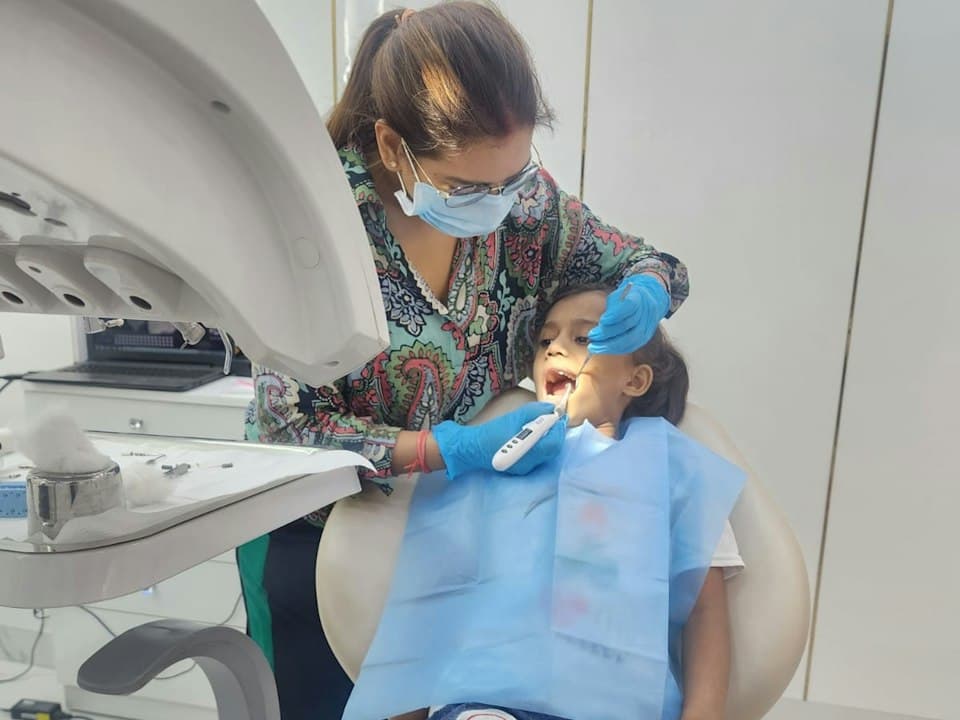
Sealants for you
or your child?
What are
dental sealants?
Sealing a tooth is a simple procedure: a thin, tooth-colored acrylic coating is painted onto its surface. On the biting surfaces of your chewing teeth, the coating seals the deep grooves and acts as a barrier, protecting the enamel from plaque and acids.
Sealants protect those depressions and grooves from the food particles and plaque that brushing and flossing can’t reach. That makes them effective at preventing decay on the surfaces you chew with.
At Sea Dental Care, sealants are one of the ways we protect children’s teeth, and adults can benefit from them too.
What is a sealant made of?
A tooth-colored acrylic. It’s painted onto the tooth as a thin layer covering the grooves and pits.
How long does it take?
Not long. Sealants are easy to apply, and they take only a few minutes to seal each tooth.
How long do sealants last?
They hold up well under the force of normal chewing and can last several years before a reapplication is needed.
- Tooth-colored coating
- Seals deep grooves
- Protects enamel from acids
- Guards where brushes can’t reach
- A few minutes per tooth
- Holds up to normal chewing
- Can last several years
- For children and adults
Are dental sealants right for you?
Children and adults can both benefit from sealants in the fight against tooth decay.
Ask about sealants at your next visit, for yourself or your child.
Deep grooves in your chewing teeth
Sealants protect the depressions and grooves of your chewing teeth from the food particles and plaque that brushing and flossing can’t reach.
A child’s back teeth
To protect a child’s teeth, sealants are bonded to the chewing surfaces of decay-prone back teeth.
An adult fighting decay
Sealants aren’t only for children. Adults can benefit from them in the fight against tooth decay too.
Questions about dental sealants
More on keeping cavities away, with a few notes for parents.
Still have a question? Call 425-827-3097.
Page updated October 2026.
How do cavities start?
Every time you eat, the bacteria in your mouth digest the sugars, and an acid reaction occurs that lasts approximately 20 minutes. During that time, the acid can destroy tooth structure, eventually leading to cavities. Most of the time, cavities are due to a diet high in sugary foods and a lack of brushing.
How else can I help prevent my child’s cavities?
Limit how often they have meals and snacks, and choose nutritious snacks. Encourage brushing, flossing, and rinsing, watch what your child drinks, avoid sticky foods, and make treats part of meals.
When should my child first see the dentist?
Just after their third birthday. The first visit is usually short and involves very little treatment. We’ll gently examine your child’s teeth and gums, and we may clean them and apply topical fluoride to help protect them against decay.
Where to next?
View all treatments- Cleanings and examsA professional cleaning thoroughly cleans your teeth and gums, and is an important treatment for stopping the progression of gum disease.Read more
- FillingsWe’re a mercury-free practice, and old silver fillings can be replaced with tooth-colored restorations.Read more
- Dental bondingA resin sculpted onto the tooth to restore teeth that are chipped, cracked, discolored, or misarranged.Read more