
Denture relines
A new denture typically fits securely, because it’s designed for your gums. As your gums change over time, the fit loosens, and a professional reline every one to two years keeps the denture secure and functional.
- between professional relines
- 1–2 years
- for inflamed gums to settle under a temporary reline
- A few weeks

Denture getting loose?
Start here.
What is a
denture reline?
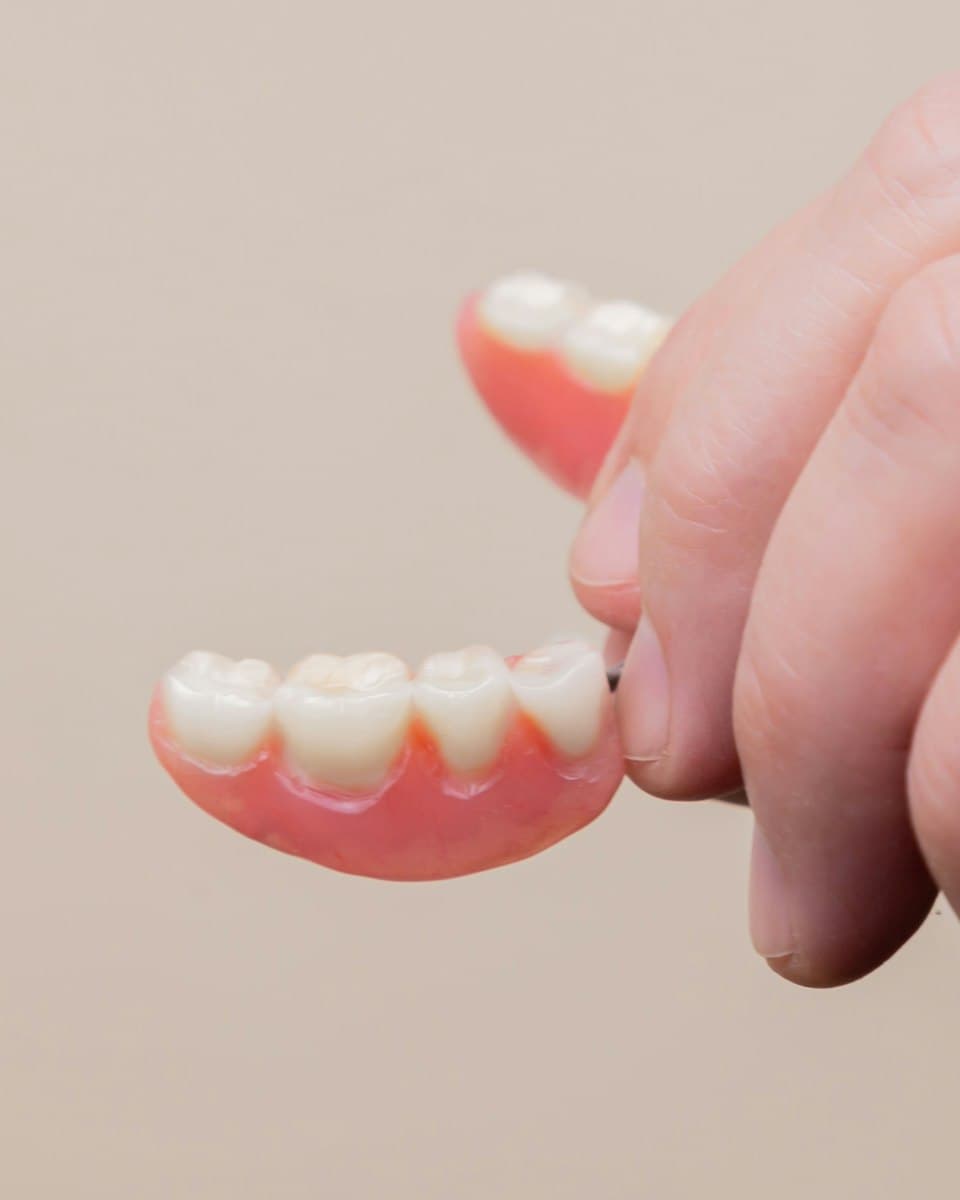
A new denture is designed specifically for your gums, but your gums change. After teeth are extracted, the bone and gum ridges recede or shrink, and the denture becomes looser and more prone to moving in your mouth. Over time, dentures need relining or replacing to keep your jaw alignment normal.
In a hard reline, a layer of plastic is removed from the inside of the denture, which is then filled with a putty-like material that takes an accurate impression of the contours of your mouth. The denture goes to the lab and is adjusted to the new shape of your gums, for maximum contact between the denture and your mouth.
Tender gums or sore spots may call for a soft reline instead, and red or swollen gums for a temporary one first. If tender gums or sore spots make a denture hard to wear, implant-retained dentures are a more permanent solution to consider.
At Sea Dental Care, an annual exam with Dr. Bhat helps ensure your denture is functioning properly, and we can assess its fit and recommend a solution to suit your needs.
How often should a denture be relined?
Having it professionally relined every one to two years keeps it secure and functional.
Can I adjust the fit myself?
No. Only your dental professional is qualified to adjust your denture. Have a loose denture checked right away, as it can cause friction and pressure on your gums and bone.
How is a reline different from a rebase?
They’re very similar. A reline replaces just the lining of the denture, while a rebase replaces all of the pink acrylic base.
- Secure and functional
- Fits your gums as they change
- Maximum contact with your mouth
- Normal jaw alignment
- A softer option for sore gums
- Time for inflamed gums to settle
Is a denture reline right for you?
Your gums change over time. A reline keeps your denture secure and functional as they do.
The right reline depends on your gums. A hard reline is the standard, tender gums may call for a soft one, and inflamed gums for a temporary one first.
A denture that’s getting loose
As your gum tissues change, a denture becomes looser and more prone to moving in your mouth.
Tender gums or sore spots
A soft reline uses a material that stays pliable and is much less likely to cause sore spots than standard hard acrylic.
Red or swollen gums
If your denture hasn’t been serviced in some time, a temporary reline can let the inflammation subside before a new denture or hard reline.
Healing after extractions
Your gums and bone recede after extractions. With an immediate denture, a permanent reline is needed once healing is complete.
Bite or speech problems
An ill-fitting denture can cause bite problems, speech impediments, and tissue irritation, and should be remedied, whether by relining the denture or replacing it.
Questions about denture relines
Soft and temporary relines, soft liners, and paying for a reline.
Still have a question? Call 425-827-3097.
Page updated October 2026.
What is a soft reline?
Some people can’t wear an ordinary denture because of tender gums or sore spots. A soft reline lines the denture with a material that stays pliable for one to two years before it needs replacing, and it’s much less likely to cause sore spots than standard hard reline acrylic.
What is a temporary reline?
If a denture hasn’t been serviced in quite some time, the gums may be red, swollen, or misshapen, which makes it hard to take impressions for a new reline. A temporary, medicated reline may be recommended to let the inflammation subside. It’s usually soft and pliable and makes the denture fit much more tightly. After a few weeks, the gums return to a more normal state, ready for a new denture or a hard reline.
What is a soft liner?
A layer of soft, pliable material fitted between the denture and your gums, where it absorbs shock between the hard base and your gums. It can go into a new denture or be retrofitted into an existing one. Permanent soft liners provide comfort and relief for receded and flattened gums that don’t respond well to the stress of a denture, and may suit chronically sore gums or gums with sharp bony areas. They need regular follow-up visits to check the fit.
How can I pay for a reline?
We work with you to get the most from your insurance for covered procedures. We accept Visa, MasterCard, American Express, Discover, and CareCredit, and a monthly payment plan can be arranged as long as it’s set up before the procedure. With an immediate denture, temporary liners and relines are additional services that may have separate fees.
Where to next?
View all treatments- Denture repairsIf your denture teeth are still in good condition, a rebase may be recommended. It replaces the whole pink acrylic base instead of just the lining.Read more
- Immediate denturesInserted at your extraction appointment. A permanent reline follows once you’ve completed the healing process.Read more
- Implant-retained denturesImplants can hold a denture so it’s more stable while you chew.Read more