
Bridges
A bridge replaces missing teeth by attaching artificial teeth to the natural teeth on either side of the gap. A fixed bridge is a way to restore both your dental health and your appearance.
- fixed in place, or removable
- 2 types
- usually, to attach a bridge
- 2–3 appointments
- from impressions of your teeth
- Lab-made
A gap in your smile?
Start here.
What is a
dental bridge?
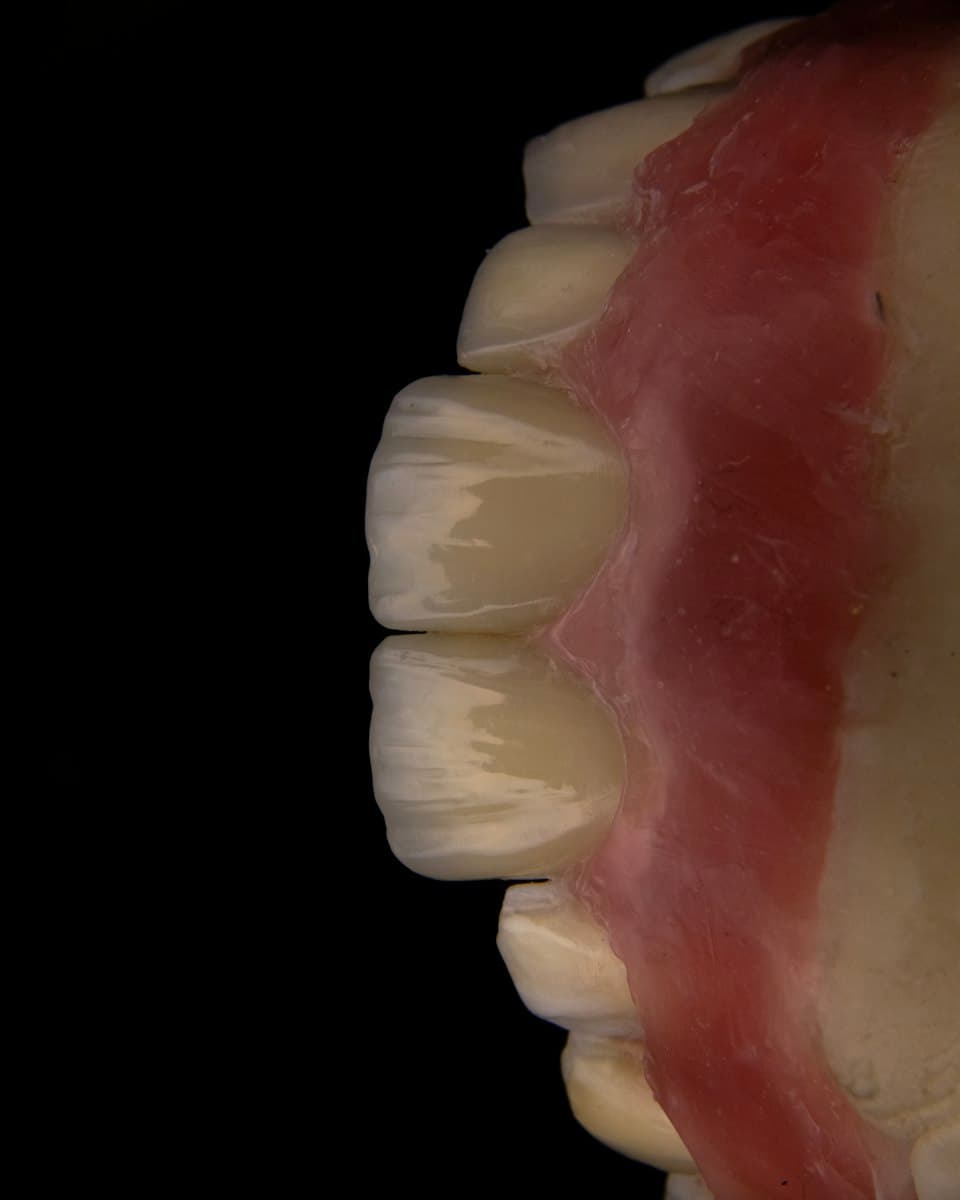
A bridge, also called a fixed partial denture, fills the gap where teeth are missing. It attaches artificial teeth to the natural teeth beside the gap, which are called abutment teeth. Bridges are either fixed in place or removable.
All of your teeth play a part in speaking, chewing, and keeping the other teeth properly aligned. Tooth loss doesn’t necessarily come with age, but if you do lose teeth, they need replacing to keep your mouth working properly.
A fixed bridge is held by crowns on the abutment teeth, or by bonding the artificial teeth directly to them, and only a dental professional can remove it. The false tooth, called a pontic, replaces the lost one. A removable bridge attaches to the teeth with metal clasps or precision attachments.
At Sea Dental Care, Dr. Bhat prepares the teeth on either side of the gap at your first appointment, and your bridge is then built in a lab to fit your bite.
How many appointments does a bridge take?
Usually two or three. At the first, the teeth on either side of the gap are prepared by removing a portion of their enamel and dentin, and impressions of your teeth are taken. Those go to a lab, where your bridge is made very precisely to give you a correct bite and match the opposing tooth.
What is a bridge made of?
Gold alloys, non-precious alloys, porcelain, or a combination of these. Porcelain is often bonded to either precious or non-precious metal.
How do I look after a bridge?
With a strict routine of brushing and flossing, which keeps the bridge and the teeth around it clean. That’s critical, because the bridge relies on the neighboring teeth for support.
- Fills the gap of missing teeth
- Restores your dental health
- Restores your appearance
- Helps support your lips and cheeks
- Helps minimize gum disease risk
- Fixed or removable
- Precisely made in a lab
Is a bridge right for you?
Your teeth work together, from eating to speaking. A bridge fills the gap where teeth are missing.
There are options for correcting tooth loss. A fixed bridge offers more stability, while a removable one can be taken out and cleaned.
One or more missing teeth
Missing teeth can and should be replaced, and a bridge fills the gap where they’re absent.
Natural teeth beside the gap
A bridge attaches to the natural teeth next to the space, called abutment teeth, and relies on them for support.
A lost back tooth
Losing a back tooth may cause your mouth to sink and your face to look older. A bridge helps support your lips and cheeks.
Trouble eating or speaking
With teeth missing, everyday things like eating and speaking get difficult.
Questions about bridges
The questions that come up once you’re planning a bridge.
Still have a question? Call 425-827-3097.
Page updated October 2026.
What’s the most important reason for a bridge?
Dental health. Teeth were designed to complement each other, and when some are missing, unusual stresses fall on the gums and other oral tissues, which can cause a number of potentially harmful disorders. An increased risk of gum disease is one of the worst side effects of missing teeth, and a bridge can help minimize it.
Can missing teeth affect my speech?
They can. Your teeth help make many of the sounds you need to speak clearly, so missing teeth can cause speech problems.
What happens between appointments?
Temporary crowns or a temporary bridge protect your prepared teeth while your custom bridge is made. It’s very important the temporary stays in place, because it keeps other teeth from moving and compromising the fit of the final bridge. A temporary crown may occasionally come off. If yours does, call us and bring it with you so we can re-cement it.
What should I expect after my appointments?
After the first visit, your tongue, lips, and the roof of your mouth may be numb, since the teeth are anesthetized. Don’t eat or drink hot beverages until the numbness has completely worn off. Some temperature and pressure sensitivity after each appointment is normal, and it should subside a few weeks after your final bridge is placed. If your bite feels uneven or you have persistent pain, call us.
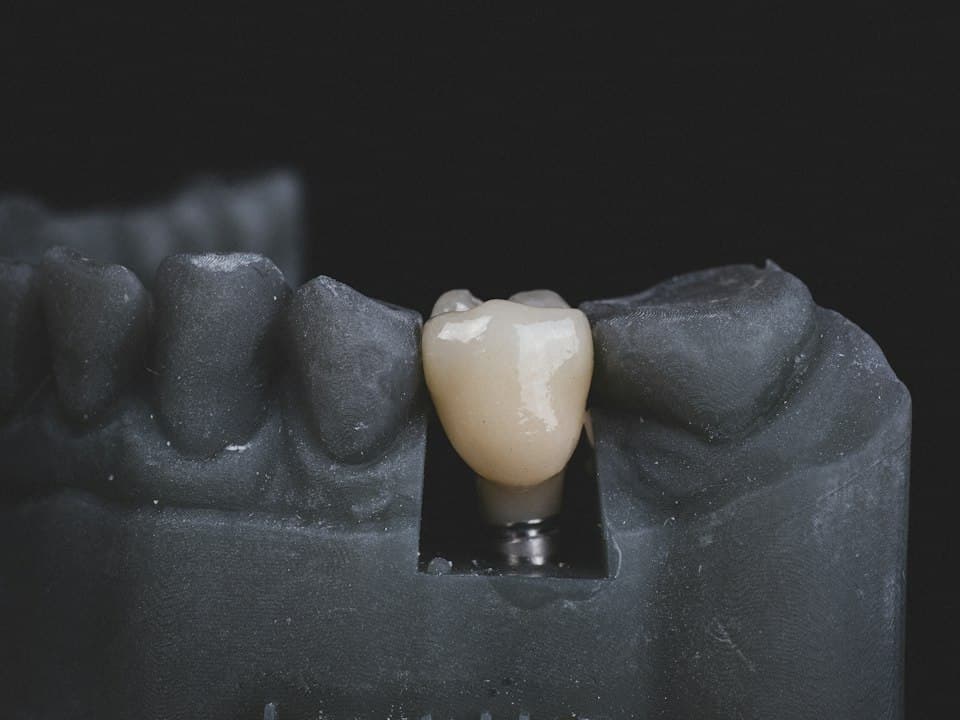
Can dental implants support a bridge?
Yes. A dental implant is a small titanium post placed in the jawbone where teeth are missing, and it can support a false tooth, a denture, or a bridge.
How can I pay for a bridge?
We work with you to get the most from your insurance for covered procedures. We accept Visa, MasterCard, American Express, Discover, and CareCredit, and a monthly payment plan can be arranged as long as it’s set up before the procedure.
Where to next?
View all treatments- CrownsA crown supports a tooth that’s badly broken or misshapen, and looks and feels like your natural teeth.Read more
- Dental implantsTiny titanium posts in the jawbone that give replacement teeth a strong foundation.Read more
- Partial denturesA removable partial denture can replace one or more missing teeth and help you eat more efficiently.Read more