
Skip to content

Oral hygiene

The best way to prevent cavities and gum disease is good brushing and flossing technique, performed every day. Here is how Dr. Bhat recommends doing both, step by step, along with which products help and which only seem to.

adults are affected by gum disease at some time in their life
3 in 4
the angle of the brush where your gums and teeth meet
45 degrees
of floss to start with, wrapped around your middle fingers
18 inches

Why it matters

Adults over 35 lose more teeth to gum disease than to cavities, and three out of four adults are affected at some time in their life. The best way to prevent both is good brushing and flossing technique, performed daily.

Gum disease and decay are both caused by bacterial plaque: a colorless film that sticks to your teeth at the gumline and forms constantly. Thorough daily brushing and flossing removes it.

  1. 01How to brush
  2. 02How to floss
01

How to brush

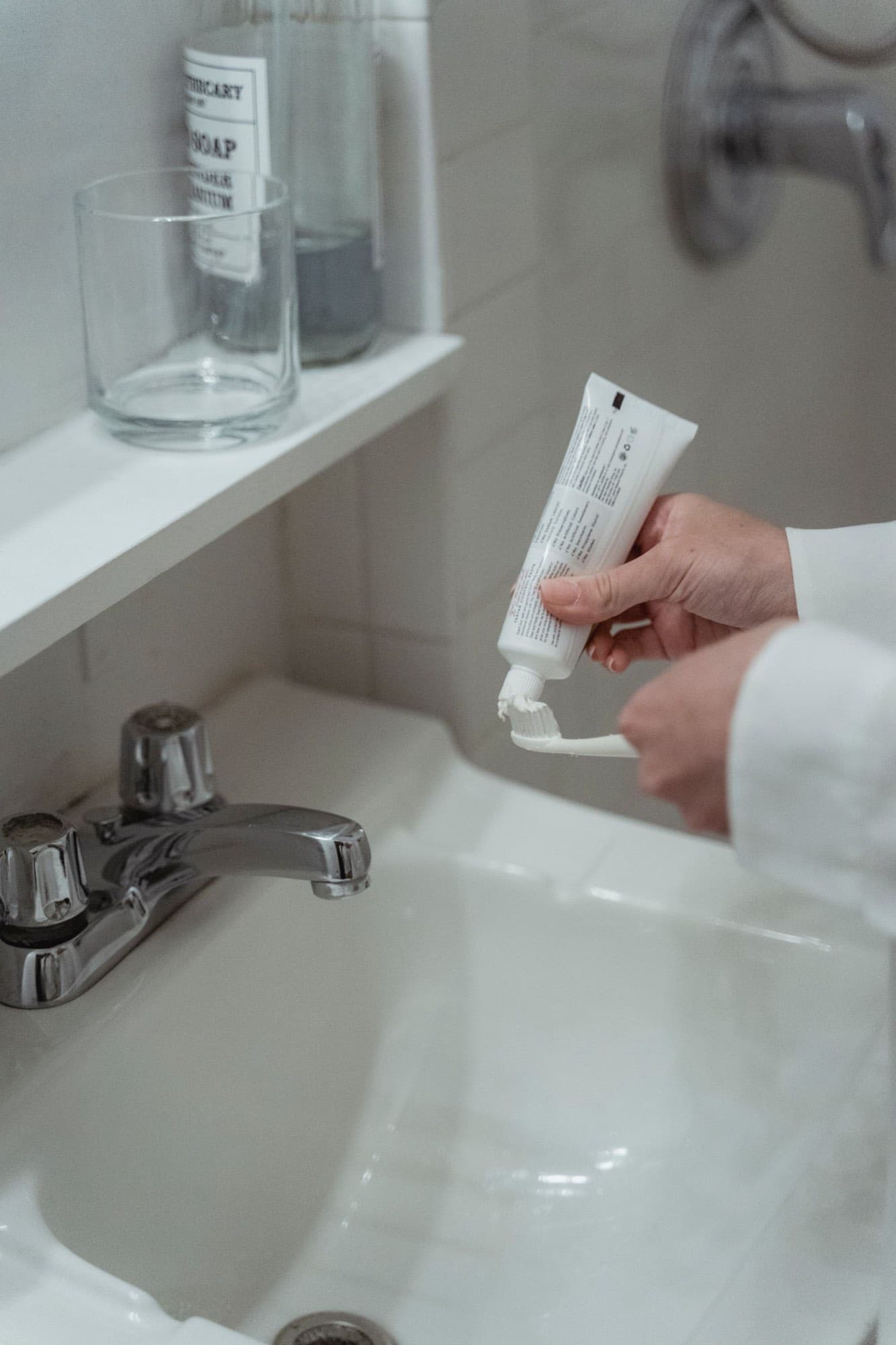
Dr. Bhat recommends a soft to medium toothbrush. Work around the mouth one set of surfaces at a time, with light pressure throughout.

  1. 1

    Angle the brush

    Position the brush at a 45 degree angle where your gums and teeth meet.

  2. 2

    Outside surfaces

    Gently move the brush in a circular motion several times, using small, gentle strokes, over the outside surfaces of your teeth. Use light pressure to put the bristles between the teeth, but not so much that you feel any discomfort.

  3. 3

    Inside of the back teeth

    When the outside surfaces of all your teeth are clean, follow the same directions on the inside of the back teeth.

  4. 4

    Inside of the front teeth

    To clean the inside surfaces of the upper and lower front teeth, hold the brush vertically and make several gentle back-and-forth strokes over each tooth. Don’t forget to gently brush the surrounding gum tissue.

  5. 5

    Biting surfaces

    Clean the biting surfaces of your teeth with short, gentle strokes, changing the position of the brush as often as necessary to reach and clean every surface.

  6. 6

    Check in the mirror

    Try to watch yourself in the mirror to make sure you clean each surface.

  7. 7

    Rinse

    When you are done, rinse vigorously to remove any plaque you loosened while brushing.

Pain while brushing?

If you have any pain while brushing, or any questions about how to brush properly, please call the office.

425-827-3097
02

How to floss

Gum disease usually appears between the teeth, where your toothbrush cannot reach. Flossing is a very effective way to remove plaque from those surfaces, but the technique matters, and it takes time and practice.

  1. 1

    Measure out the floss

    Start with a piece of floss about 18 inches long; waxed is easier. Lightly wrap most of it around the middle finger of one hand, and the rest around the middle finger of the other.

  2. 2

    Ease it between the teeth

    For the upper teeth, hold the floss tightly between the thumb and forefinger of each hand. Gently insert it between the teeth with a back-and-forth motion. Do not force the floss or try to snap it into place.

  3. 3

    Curve it into a C

    Bring the floss to the gumline, then curve it into a C-shape against one tooth. Slide it into the space between the gum and the tooth until you feel light resistance.

  4. 4

    Clean both sides of the space

    Move the floss up and down on the side of one tooth. Remember there are two tooth surfaces to clean in each space. Continue along each side of all the upper teeth, taking care not to cut the gum tissue between them.

  5. 5

    Move to a fresh section

    As the floss becomes soiled, turn it from one finger to the other to bring up a clean length.

  6. 6

    The lower teeth

    To clean between the bottom teeth, guide the floss with the forefingers of both hands. Don’t forget the back side of the last tooth on both sides, upper and lower.

  7. 7

    Rinse

    When you are done, rinse vigorously with water to remove plaque and food particles.

The first week

Don’t be alarmed if your gums bleed or are a little sore during the first week of flossing. If they hurt, you could be flossing too hard or pinching the gum. As you floss daily and remove the plaque, your gums will heal and the bleeding should stop.

Choosing products

There are so many products on the market that choosing between them can be difficult. These suggestions will work for most patients; none of them replaces brushing and flossing.

less tooth decay with fluoride toothpaste and rinses, used along with brushing and flossing
Up to 40%
  • Electric toothbrushes

    Automatic and high-tech electric toothbrushes are safe and effective for the majority of patients. We see excellent results with the electric toothbrushes Rotadent and Interplak.

  • Oral irrigators

    Water-spraying devices rinse your mouth thoroughly, but they do not remove plaque. Brush and floss as well as using the irrigator.

  • Rubber tips and interproximal brushes

    The rubber tip on some toothbrush handles is for massaging the gums after brushing. Tiny interproximal brushes clean between the teeth. Used improperly, either could injure the gums, so discuss proper use with your doctor.

  • Fluoride toothpaste and rinses

    Used along with brushing and flossing, fluoride toothpastes and mouth rinses can reduce tooth decay by as much as 40 percent. The rinses are not recommended for children under six years of age.

  • Tartar control toothpaste

    These reduce tartar above the gumline. Gum disease starts below the gumline, though, so they have not been proven to reduce its early stage.

  • Anti-plaque rinses

    Rinses approved by the American Dental Association contain agents that may help bring early gum disease under control. Use them along with brushing and flossing, not instead of it.

Beyond the sink

Caring for sensitive teeth

Sometimes after dental treatment, teeth are sensitive to hot and cold. This should not last long, but only if the mouth is kept clean. If it is not, the sensitivity will remain and could become more severe.

If your teeth are especially sensitive, consult with your doctor. They may recommend a medicated toothpaste or mouth rinse made especially for sensitive teeth.

Aftercare instructions

Professional cleaning

Daily brushing and flossing will keep dental calculus to a minimum, but a professional cleaning will remove calculus in places your toothbrush and floss have missed.

Your visits to our office are an important part of your program to prevent gum disease. Keep your teeth for your lifetime.

About cleanings and exams

Questions about brushing and flossing

Bleeding gums, electric brushes, water flossers, fluoride, and whether home care is ever enough on its own.

Still have a question? Call 425-827-3097.

Page updated October 2026.

Why do my gums bleed when I floss?

Don’t be alarmed if your gums bleed or are a little sore during the first week of flossing. If your gums hurt while flossing, you could be doing it too hard or pinching the gum. As you floss daily and remove the plaque, your gums will heal and the bleeding should stop.

What kind of toothbrush should I use?

Dr. Bhat recommends a soft to medium toothbrush. Automatic and high-tech electric toothbrushes are safe and effective for the majority of patients; we see excellent results with the electric toothbrushes Rotadent and Interplak.

Does a water flosser replace floss?

No. Oral irrigators, the water-spraying devices, rinse your mouth thoroughly but do not remove plaque. You need to brush and floss as well as using the irrigator.

Waxed or unwaxed floss?

Waxed floss is easier to use. Start with a piece about 18 inches long.

Does fluoride toothpaste or rinse make a difference?

Used along with brushing and flossing, fluoride toothpastes and mouth rinses can reduce tooth decay by as much as 40 percent. The rinses are not recommended for children under six years of age.

Will tartar control toothpaste prevent gum disease?

Tartar control toothpastes reduce tartar above the gumline, but gum disease starts below the gumline, so they have not been proven to reduce its early stage. Anti-plaque rinses approved by the American Dental Association contain agents that may help bring early gum disease under control, used along with brushing and flossing.

My teeth are sensitive after treatment. What should I do?

Sensitivity to hot and cold after dental treatment should not last long, but only if the mouth is kept clean. If your teeth are especially sensitive, consult with your doctor, who may recommend a medicated toothpaste or mouth rinse made for sensitive teeth.

If I brush and floss every day, do I still need a cleaning?

Yes. Daily brushing and flossing keep dental calculus to a minimum, but a professional cleaning removes calculus in places your toothbrush and floss have missed. Your visits to our office are an important part of preventing gum disease.

Keep your teeth
for your lifetime

Call 425-827-3097

Monday to Friday, 8 AM to 5 PM
Bellevue, WA