
Crowns
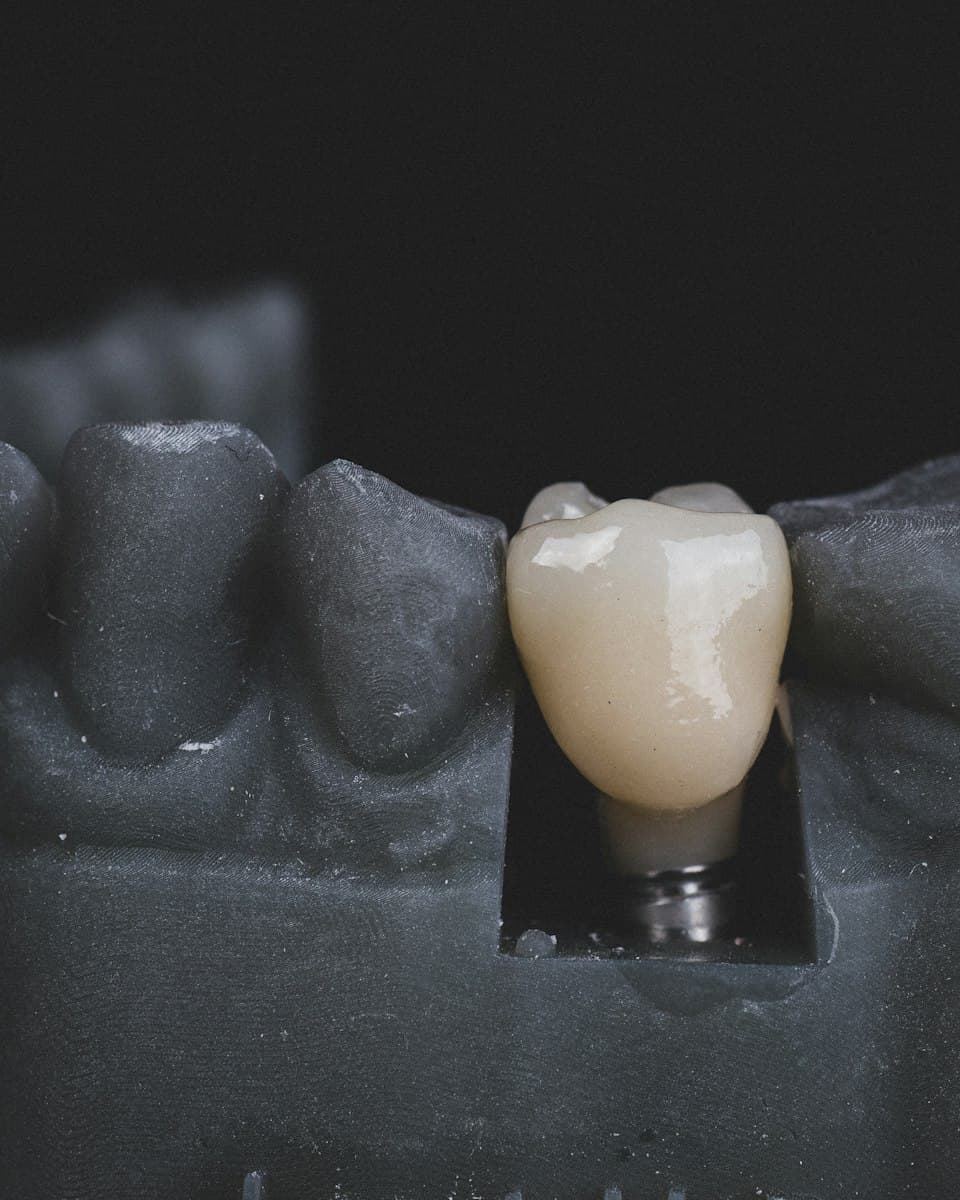
A crown is like a cap on a tooth: it covers part or all of the tooth above the gum to restore how it works and how it looks. Even where damage seems beyond repair, a porcelain crown can make your smile appear as new.
- visits to prepare and fit a crown
- At least 2
- or porcelain bonded to gold
- Porcelain
- is how long crowns usually last
- 20–30 years
A broken or worn tooth?
Start here.
What is a
dental crown?
A crown covers a tooth, partly or completely, above the gum. It restores the tooth’s function and its appearance, and it gives support to teeth that are misshapen or badly broken. Together with bridgework, crowns can usually correct major dental problems caused by accidents, disease, or wear and tear.
Where teeth have broken away through excessive wear, or old fillings have broken, a crown can be a long-term solution. Where an accident has cost you teeth, crowns on the natural teeth beside the gap support a bridge that replaces them.
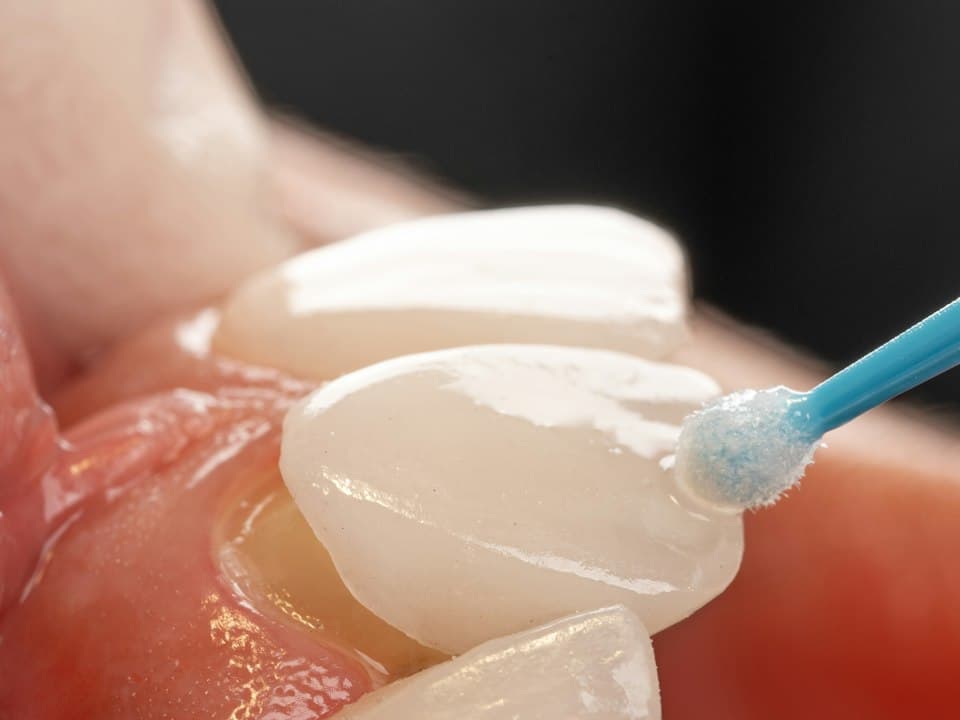
In front teeth, older fillings can weaken the teeth and cause problems with how they look, like staining or chipping. Porcelain crowns are suitable in cases where porcelain veneers are not. And in a tooth with a root canal filling, a crown can prevent breakage.
At Sea Dental Care, we also replace existing crowns and fillings with restorations that look and feel like your natural teeth.
How many visits does a crown take?
At least two. At the first, we remove any decay, shape the tooth, and fit a temporary crown of plastic or metal. At the next, we remove the temporary, then fit, adjust, and cement your final crown.
What are crowns made of?
High-grade porcelain, or porcelain bonded to gold. For the most serious dental problems, a higher-strength porcelain and gold is recommended.
How long do crowns last?
It’s usual for them to last 20 to 30 years. Crowns are used for long-lasting correction of major dental problems.
Can a crown replace a missing tooth?
As part of a bridge. Crowns cemented onto the natural teeth beside the gap support the bridge, and its false tooth, called a pontic, replaces the lost one.
- Looks completely natural
- Supports broken or misshapen teeth
- Fixes smile and chewing problems
- Relieves pain from hairline cracks
- Helps prevent breakage after a root canal
- Helps replace missing teeth
- Porcelain or porcelain and gold
- A long-term solution
Is a crown right for you?
Most dentistry looks like dentistry. Our goal is dentistry that is undetectable.
Whether you need a crown depends on how extensive the damage is. In some cases where it isn’t enough to merit an entire crown, an onlay can be a very good alternative.
Damage from an accident
Crown and bridgework is a solution for major dental problems caused by accidents, even where teeth have been lost.
Teeth worn down or broken
Major problems from wear and tear can usually be corrected, including teeth that have broken away through excessive wear or after old fillings broke.
Pain in a filled back tooth
Unexplained pain there is usually due to hairline cracks in the chewing part of the tooth. A crown relieves it.
Stained or chipped front teeth
Older fillings can weaken front teeth and cause staining or chipping. Porcelain crowns are suitable where porcelain veneers are not.
A tooth with a root canal filling
A crown can prevent a tooth with a root canal filling from breaking.
A misshapen tooth
A crown offers support to a misshapen tooth and fixes problems with your smile and with chewing.
Questions about crowns
The questions that come up once you’re planning a crown.
Still have a question? Call 425-827-3097.
Page updated October 2026.
Why does a filled back tooth hurt?
Many people have unexplained pain from filled back teeth. It’s usually due to hairline cracks in the chewing part of the tooth. Placing a crown on the tooth relieves the pain and lets it work fully again.
How do I look after a temporary crown?
Avoid sticky foods like gum, and hard foods, and if possible chew on the other side of your mouth. Brush normally, but floss carefully: rather than pulling the floss up, which may dislodge the temporary, pull it out from the side.
What if my temporary crown comes off?
Occasionally one does. Call us and bring the temporary with you so we can re-cement it. It’s very important that it stays in place, because it keeps your other teeth from moving and compromising the fit of your final crown.
What should I expect after my appointments?
After the first visit, your tongue, lips, and the roof of your mouth may be numb, since the teeth are anesthetized. Don’t eat or drink hot beverages until the numbness has completely worn off. Some temperature and pressure sensitivity after each appointment is normal, and it should subside a few weeks after your final crown is placed. If your bite feels uneven or you have persistent pain, call us.
How can I pay for a crown?
We work with you to get the most from your insurance for covered procedures. We accept Visa, MasterCard, American Express, Discover, and CareCredit, and a monthly payment plan can be arranged as long as it’s set up before the procedure.
Where to next?
View all treatments- BridgesMissing teeth? A bridge fills the gap, supported by crowns cemented onto the natural teeth beside it.Read more
- Inlays and onlaysPorcelain, gold, or resin pieces bonded to a tooth that needs more than a filling but less than a crown.Read more
- Root canalsRemoving infected pulp, then cleaning and sealing the root canal, can save your natural tooth.Read more