
Gum disease care
Periodontal diseases are infections of the gums that gradually destroy the support of your natural teeth. Periodontal maintenance is how we keep ahead of them: daily brushing and flossing at home, regular examinations and cleanings here, and professional care the moment the disease starts.
- adults past this age lose more teeth to gum disease than to cavities
- Over 35
- adults are affected at some time in their life
- 3 in 4
- brushing and flossing prevents most periodontal conditions
- Daily
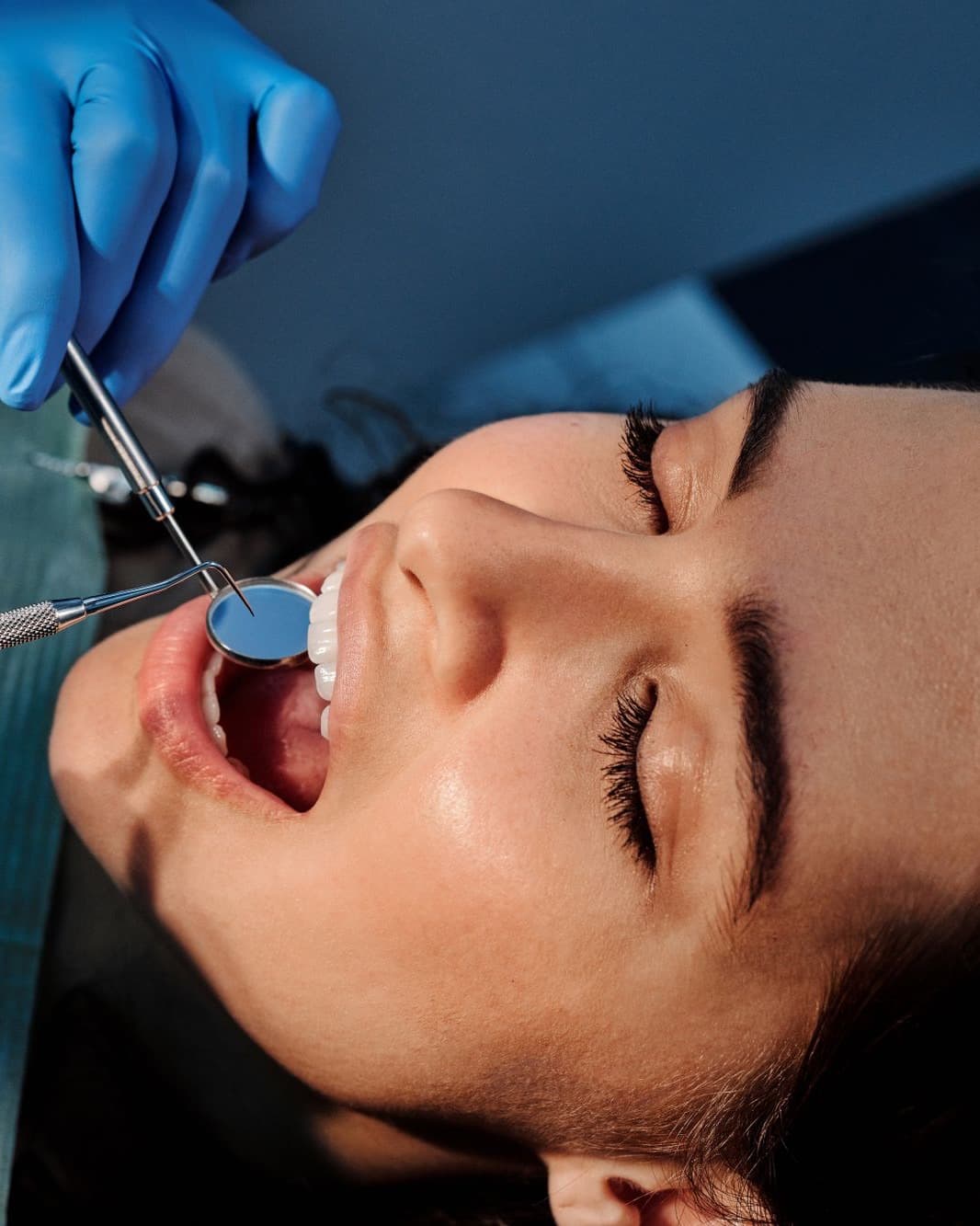
How gum disease progresses
Periodontal diseases are infections of the gums, and there are numerous disease entities, each requiring a different treatment approach. What they share is a cause: dental plaque is the primary cause of gum disease in genetically susceptible people.
Periodontal disease and tooth decay are both caused by this bacterial plaque. It is the same film daily brushing and flossing are there to remove, and when it stays, the disease moves through these stages.
- 01
Plaque, then tartar
Plaque is a sticky, colorless film that constantly forms on your teeth at the gum line. If it is not carefully removed by daily brushing and flossing, it hardens into a rough, porous substance known as calculus, or tartar.
- 02
Irritated gums
The bacteria in plaque produce toxins that irritate the gums, which may cause them to turn red, swell, and bleed easily.
- 03
Pockets form
If the irritation is prolonged, the gums separate from the teeth, and pockets, or spaces, form between them.
- 04
Bone loss, then tooth loss
As the disease progresses, the supporting gum tissue and the bone that holds the teeth in place deteriorate. Left untreated, this leads to tooth loss.
Gum disease is mainly caused by plaque, but it can be accelerated by other factors:
- Smoking
- Diabetes
- Stress
- Clenching and grinding teeth
- Medication
- Poor nutrition
Preventing gum disease
The best way to prevent gum disease, and cavities with it, is good tooth brushing and flossing technique performed daily, with regular professional examinations and cleanings alongside.
Daily brushing and flossing will prevent most periodontal conditions.
- At home, every day
- Effective daily brushing and flossing. Thorough technique matters: it is how you remove the germs in plaque before it hardens. Brushing and flossing technique
- In the office, regularly
- Regular professional examinations and cleanings, to catch and remove what home care has missed. Teeth cleanings and exams
Questions about gum disease
What patients ask about their gums, answered from the basics.
Still have a question? Call 425-827-3097.
Page updated October 2026.
What is periodontal disease?
Periodontal diseases are infections of the gums, which gradually destroy the support of your natural teeth. There are numerous disease entities requiring different treatment approaches.
What causes gum disease?
Dental plaque is the primary cause of gum disease in genetically susceptible individuals. Plaque is a sticky, colorless film that constantly forms on your teeth at the gum line. If it is not carefully removed by daily brushing and flossing, it hardens into a rough, porous substance known as calculus, or tartar.
How would I know if my gums are affected?
The bacteria in plaque produce toxins that irritate the gums, which may cause them to turn red, swell, and bleed easily. If the irritation is prolonged, the gums separate from the teeth and pockets form between them.
Can I prevent it at home?
Daily brushing and flossing will prevent most periodontal conditions. The best prevention is effective daily brushing and flossing together with regular professional examinations and cleanings. Even with the most diligent home care, though, people can still develop some form of periodontal disease, and once it starts, professional intervention is necessary to prevent its progress.
What else affects the health of my gums?
Gum disease is mainly caused by the bacteria in plaque, but it can be accelerated by smoking, diabetes, stress, clenching and grinding your teeth, medication, and poor nutrition.