
Cleanings and exams
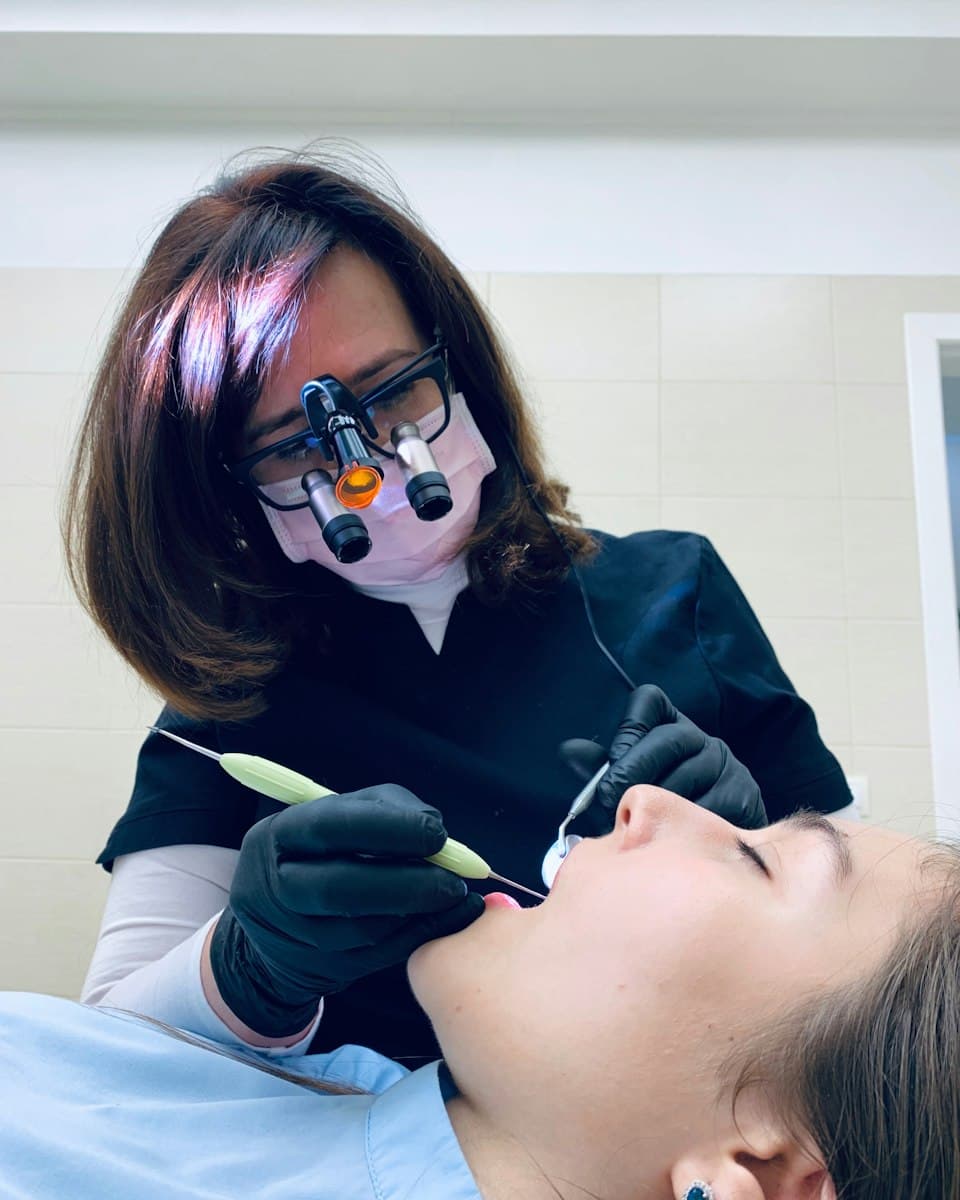
A professional cleaning, or prophylaxis, thoroughly cleans your teeth and gums, removing tartar in places your toothbrush and floss have missed. Along with brushing and flossing every day, regular exams and cleanings are the best way to prevent gum disease.
- recommended as a preventive measure
- Twice a year
- between cleanings if you have periodontitis
- 3–4 months
Due for a
cleaning?
What is a
professional cleaning?
A dental prophylaxis is a cleaning treatment that thoroughly cleans your teeth and gums. It targets plaque, the sticky, colorless film that constantly forms on your teeth at the gum line, and calculus, or tartar: the rough, porous substance plaque hardens into when brushing and flossing don’t remove it.
Even with a proper routine at home, it can be impossible to remove all the debris, bacteria, and deposits from the pockets in your gums. Buildup above and below the gum line can lead to serious gum problems, and catching it takes the experienced eye of a dentist or hygienist using specialized dental equipment.
A cleaning is also an important treatment for stopping the progression of gingivitis, the mildest form of gum disease, and of periodontal disease. As gum disease progresses, the gum tissue and bone that hold your teeth in place deteriorate. Left untreated, it leads to tooth loss.
Gum disease can’t be completely reversed, but at Sea Dental Care, a cleaning is one of the tools Dr. Bhat can use to halt its progression.
How often should I have a cleaning?
We recommend a cleaning twice a year as a preventive measure. If you have periodontitis, it should be every three to four months.
What does a cleaning do?
It removes plaque and tartar and rids your teeth of stains, for a healthier looking smile. Regularly removing plaque, calculus, and bacteria can also noticeably improve bad breath and reduce infection.
Isn’t brushing and flossing enough?
Daily brushing and flossing will keep tartar to a minimum and prevent most gum conditions. But a professional cleaning removes tartar in the places your toothbrush and floss have missed.
- Removes plaque and tartar
- Reaches what floss misses
- Rids teeth of stains
- Fresher breath
- A healthier looking smile
- Helps reduce infection
- Helps prevent gum disease
- Helps halt gum disease
Is a cleaning right for you?
Adults over 35 lose more teeth to gum disease than to cavities.
Even with the most diligent care at home, people can still develop some form of gum disease. Once it starts, professional care is necessary to stop it progressing.
Due for your twice-yearly visit
We recommend a cleaning twice a year as a preventive measure. Even with a proper routine at home, some buildup can be impossible to remove yourself.
You have periodontitis
If you have periodontitis, a cleaning should be every three to four months rather than twice a year.
Red, swollen, or bleeding gums
Bacteria in plaque produce toxins that irritate the gums. Bleeding gums are the earliest sign of gingivitis, the mildest form of gum disease.
Bad breath
Bad breath is generally a sign of advancing gum disease. Regularly removing plaque, calculus, and bacteria can noticeably improve it.
Stained or yellowed teeth
Stains can dramatically dull a smile, and a cleaning is an effective way to rid your teeth of them.
Smoking, diabetes, or stress
These affect the health of your gums, as do clenching and grinding your teeth, medication, and poor nutrition.
Questions about cleanings and exams
The questions that come up before a first visit, yours or your child’s.
Still have a question? Call 425-827-3097.
Page updated October 2026.
What happens at my first appointment?
It usually consists of an examination and a review of your treatment options, and treatment can usually be done or started the same day. A complex medical history or treatment plan will need an evaluation and a second appointment. Bring any x-rays from a previous dentist, a list of the medications you take, and your completed forms if you have dental insurance.
What about x-rays?
If a previous dentist or your physician has taken x-rays, you can ask them to forward them to us, or pick them up and bring them along. If additional x-rays are necessary, they can be taken here.
When should my child have a first checkup?
Just after their third birthday. The first visit is usually short and involves very little treatment. We’ll gently examine your child’s teeth and gums, and we may take x-rays, clean the teeth, and apply topical fluoride. Most important of all, we’ll review with you how to care for your child’s teeth. Patients under 18 must be accompanied by a parent or guardian.
What should I tell my child before the first visit?
Prepare them the way you would before a first haircut or a trip to the shoe store. Take them for a preview of the office, read books together about going to the dentist, go over what the dentist will do, and speak positively about your own dental experiences.
Where to next?
View all treatments- Dental sealantsA tooth-colored coating that seals the deep grooves of your chewing teeth against plaque and acids.Read more
- FillingsWe’re a mercury-free practice, and old silver fillings can be replaced with tooth-colored restorations.Read more
- Teeth whiteningBleaching can be used to correct tooth discoloration. Just let us know at any appointment if you’d like to whiten your teeth.Read more