
Dental implants, about 20 minutes from Seattle
The teeth that go on your implants are made at Dr. Bhat’s office on 106th Avenue NE in downtown Bellevue, about twenty minutes off-peak from Seattle across SR 520 or I-90. Your evaluation is with Dr. Bhat or an oral and maxillofacial surgeon the practice refers you to.
- from Seattle off-peak, across SR 520 or I-90
- 20 min
- of healing while the implants bond with the bone
- 3–6 months
- from start to finish
- 6–8 months
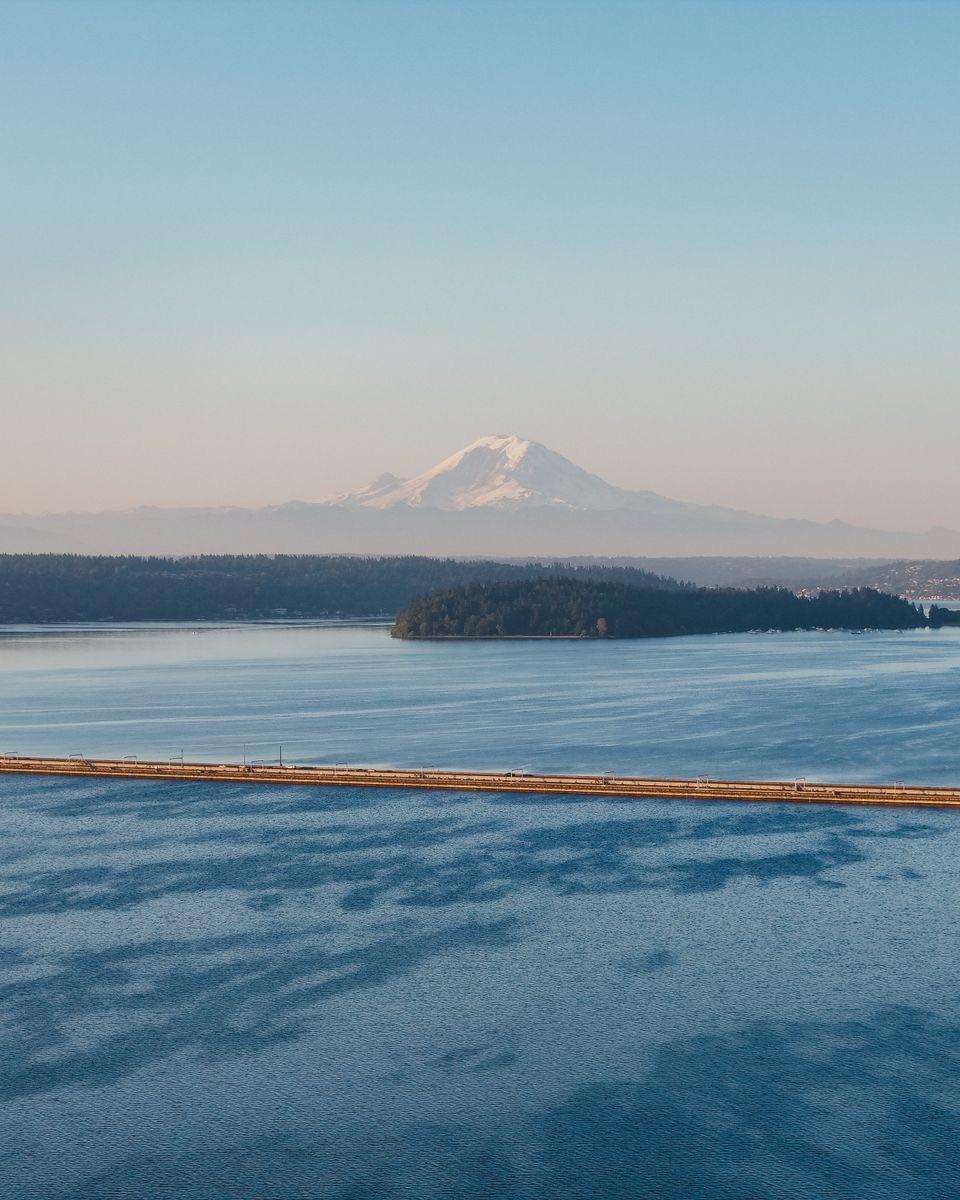
Your implant, stage by stage, from across the lake
- 01
The evaluation
It starts with a dental and x-ray examination and a look through your health history, with Dr. Bhat or an oral and maxillofacial surgeon the practice refers you to. If the tooth is still there and needs a tooth extraction first, Dr. Bhat talks through how to replace it, and an implant can take its place.
- 02
The implants are placed
The implants are placed in the jawbone and left beneath the gums for three to six months, the time they need to bond with the bone.
- 03
Three to six months of healing
While the implants bond, you should be able to wear temporary dentures and eat a soft diet, and most patients find the wait doesn’t disrupt daily life. Meanwhile, your final bridgework or denture is being designed.
- 04
A healing collar, then your teeth
The surgeon uncovers the implants and attaches a small healing collar. Then Dr. Bhat takes an impression, connects posts or attachments to the implants, and makes the replacement teeth that go over them.
The whole of it usually runs six to eight months, and visits to the Bellevue office fall on weekdays: we’re open Monday to Friday, 8:00 AM to 5:00 PM. What an implant is, who it suits and how to pay for one are on the dental implants page.
Crossing the lake: SR 520 or I-90
From Seattle, cross Lake Washington on SR 520 or I-90 to I-405, exit at NE 8th Street, and head west into downtown Bellevue; the office is on 106th Avenue NE. Which bridge is quicker depends on where you start, and over months of visits, which one is tolled matters too.
- from University Playground
- 15 min
- by SR 52025 min by I-90
- from Seattle City Hall
- 16 min
- by SR 52019 min by I-90
- from Volunteer Park
- 17 min
- by SR 52025 min by I-90
- from Rainier Community Center
- 23 min
- by I-90
- from Delridge Community Center
- 24 min
- by SR 52025 min by I-90
- from Ballard Commons Park
- 25 min
- by SR 52035 min by I-90
Off-peak drive times without traffic, measured November 19, 2026. Weekday peak traffic on either bridge runs longer.
- SR 520Tolled, both directions
- Rates change with the time of day and are lower on nights, weekends and holidays. A Good To Go pass pays the lowest rate; without an account, the bill is mailed to the vehicle’s registered address at a higher one.
- I-90No toll
- The I-90 floating bridge is the non-tolled way across Lake Washington. Off-peak, it adds about three minutes from City Hall and one from Delridge, and eight to ten from Volunteer Park, the University District and Ballard.
Toll structure from the Washington State Department of Transportation, which publishes the current rates.
Without a car: from Seattle by train
Sound Transit’s Link 2 Line crosses the lake on I-90. The weekday schedule puts Bellevue Downtown station 22 minutes from International District/Chinatown and 27 minutes from Westlake, and the office is about a 15-minute walk from the platform. Check Sound Transit’s schedule and service alerts before you travel.
Who in Seattle weighs an implant
- median age in Seattle
- 35.6
- of Seattle residents are 65 or older
- 13%
- of US adults 65 and over have no natural teeth, against 2% aged 20 to 64
- 15%
US Census Bureau, American Community Survey 2020–2024; National Institute of Dental and Craniofacial Research.
Health matters more than age.
In general, two of the things an evaluation looks at are bone and health. Bone first: the jaw can shrink where a tooth has been lost, an implant needs enough of it for a stable base, and where there is too little, grafting adds bone to secure the implant. Then health: people with most chronic conditions, such as high blood pressure or diabetes, are usually still candidates, though some conditions call for precautions and smoking lowers the success rate. If you’re deciding between this and a bridge, read dental implant or bridge.
Questions about implants and the trip from Seattle
Whose hands your teeth are in, and what the trip across the lake involves.
Still have a question? Call 425-827-3097.
Page updated November 2026.
Who makes my new teeth?
Dr. Bhat does. Once the surgeon has uncovered the implants and attached a small healing collar, Dr. Bhat takes an impression, connects posts or attachments to the implants, and makes the replacement teeth that go over them. The evaluation before any of that is with Dr. Bhat or an oral and maxillofacial surgeon the practice refers you to.
How long is the drive from Seattle?
About twenty minutes off-peak. Without traffic it’s about 15 minutes from University Playground, 16 from Seattle City Hall and 17 from Volunteer Park by SR 520, 23 from Rainier Community Center by I-90, and 24 to 25 from Delridge Community Center and Ballard Commons Park. Weekday peak traffic on either bridge runs longer.
Is there a toll on the way?
The SR 520 bridge is tolled; the I-90 bridge is not. The Washington State Department of Transportation collects tolls in both directions on the SR 520 bridge, at rates that change with the time of day, and a Good To Go pass pays the lowest rate. The I-90 floating bridge is the non-tolled way across Lake Washington. WSDOT publishes the current rates.
Can I get there without driving?
Yes. Sound Transit’s Link 2 Line crosses the lake to Bellevue Downtown station, 22 minutes from International District/Chinatown and 27 minutes from Westlake on the weekday schedule. The office is about a 15-minute walk from the platform. Check Sound Transit’s schedule and service alerts before you travel.
Implants and other ways to replace a missing tooth
View all treatments- Dental implantsWhat an implant is, what it’s made of, who it suits, and the ways to pay for one.Read more
- Implant-retained denturesMissing all your upper or lower teeth? Implants can hold a complete denture for a more secure fit.Read more
- BridgesArtificial teeth attached to the natural teeth on either side of the gap.Read more